Uncategorized

Running Your Business with Ayurvedic Wisdom: Aligning Success with Balance

Blissful Living 4 U - Wellness, Wisdom, and Wealth - Learn to Dream Big - Agni - balance

Running a successful business is much like maintaining balance in life—it requires alignment, clarity, and consistent nourishment. As entrepreneurs, we often push ourselves to the limits, sacrificing our well-being in the pursuit of success. But what if there was a way to lead your business that ensures growth, abundance, and peace, all while maintaining inner harmony? 

Ayurveda, with its deep wisdom of balance and alignment, offers advanced principles that can be applied not just to health but to the way we run and manage our businesses. Understanding your personal and professional dosha, balancing your inner Agni (fire) to fuel creativity, and nurturing your Ojas (vitality) can transform the way you approach entrepreneurship.

In this article, we’ll explore how you can integrate advanced Ayurvedic principles into the core of your business operations. This will allow you to lead from a place of centeredness and sustained energy while also achieving the growth you desire.

Blissful Living 4 U - Wellness, Wisdom, and Wealth - Learn to Dream Big - Agni - balance

Understanding Your Business Dosha 

Just as individuals have their own unique doshas (Vata, Pitta, and Kapha), your business too has its own dosha. Understanding the dosha of your business helps you identify its strengths, potential imbalances, and areas of growth.

  • Vata Business: Creative, fast-moving, and innovative. Vata businesses are often visionaries, constantly introducing new ideas and adapting to change. However, when out of balance, they may struggle with inconsistency, scattered focus, or burn out due to too many ideas and lack of grounding.
  • Pitta Business: Driven, competitive, and goal-oriented. Pitta businesses are excellent at execution and achieving goals with precision. However, an imbalanced Pitta business may become too intense, overwork its team, or lose its creative flow in the drive to achieve.
  • Kapha Business: Stable, reliable, and deeply rooted. Kapha businesses are consistent, trustworthy, and patient in building long-term success. But when out of balance, they may become stagnant, resistant to change, or slow to innovate.  

How to Apply This: Identify the dosha of your business and assess whether it’s in balance. For example, if your business has a Vata nature, implement grounding practices like setting clear goals, developing systems, and avoiding the temptation to chase too many ideas at once. If your business has a Pitta nature, balance the intensity with creativity breaks and rest periods to avoid burnout. 

Balancing Agni for Creativity and Decision-Making

Agni, or the digestive fire, isn’t just about how we process food—it’s also about how we process information, ideas, and emotions. In business, a strong Agni translates to clarity, sharp decision-making, and the ability to digest challenges and turn them into opportunities.

When Agni is weak, you may struggle with indecision, over-analysis, or mental fatigue. When it’s too strong, you may be impulsive, overly critical, or burn through ideas too quickly without giving them time to mature.

How to Apply This:

  • Mindful Decision-Making: Just as you would balance your Agni with the right foods, balance your mental Agni by creating space for reflection before making important decisions. For instance, after a long day of meetings, take 10 minutes for a calming pranayama practice like Nadi Shodhana (alternate nostril breathing) to clear mental fog and reconnect with your intuitive wisdom.
  • Detox Your Business Energy: Just as you would detox your body from toxins, periodically detox your business by clearing out non-essential projects or activities that drain energy. Review and eliminate projects that don’t align with your current goals or are hindering growth. 

Blissful Living 4 U - Wellness, Wisdom, and Wealth - Learn to Dream Big - Agni - balance

Nurturing Ojas for Sustained Energy and Resilience

In Ayurveda, Ojas is the essence that sustains life, giving you resilience, vitality, and emotional stability. For business owners, nurturing Ojas is essential for maintaining long-term energy and enthusiasm. Without Ojas, we may experience burnout, fatigue, or a loss of passion for our work.

How to Apply This:

  • Rest and Renewal: Build regular periods of rest and renewal into your business routine. Whether it’s a mid-day meditation break, a digital detox on weekends, or a team retreat focused on restoration, these practices will replenish your energy and that of your team.
  • Emotional Resilience Practices: Ojas is closely tied to emotional resilience. Regular meditation, journaling, or gratitude practices can help you stay grounded, emotionally balanced, and prepared to navigate the challenges of entrepreneurship with grace. 

Practical Steps to Integrate Ayurveda into Your Business

To make Ayurveda a core part of your business operations, start with small, sustainable changes:

  1. Morning Rituals for Business Success: Just as your personal routine sets the tone for the day, create a business morning ritual that aligns with Ayurveda. Start meetings with a grounding exercise, light an essential oil diffuser to set a peaceful atmosphere or begin the day by reviewing your most aligned goals.
  2. Create a Rhythm that Reflects Nature: Ayurveda teaches us to align with the rhythms of nature. Consider how your business can follow these rhythms—perhaps you take time to plan and reflect during the fall (Vata season), focus on goal achievement in the summer (Pitta season), and nurture relationships in the spring (Kapha season).
  3. Lead with Balance: Just as you seek balance in your personal dosha, balance your leadership style. Vata leaders should focus on staying grounded and consistent. Pitta leaders should prioritize compassion and creativity. Kapha leaders should embrace change and innovation.  

Blissful Living 4 U - Wellness, Wisdom, and Wealth - Learn to Dream Big - Agni - balance

Call to Action: Run Your Business with Ayurvedic Wisdom

Ready to transform the way you run your business with Ayurvedic wisdom? Discover how to align your business operations with nature, balance, and success by picking up a copy of my book “Unstoppable: Being Fierce, Fearless and Unf*ckwithable in Life and Business” on Amazon or by booking an AST (Ayurvedic Strategic Transformation) Session with meDive deeper into the principles that can lead you to both wealth and well-being while maintaining harmony in every aspect of your entrepreneurial journey. 
Standard
Uncategorized

Ayurvedic Herbs for Mind Mastery: Enhancing Cognitive Function and Spiritual Clarity

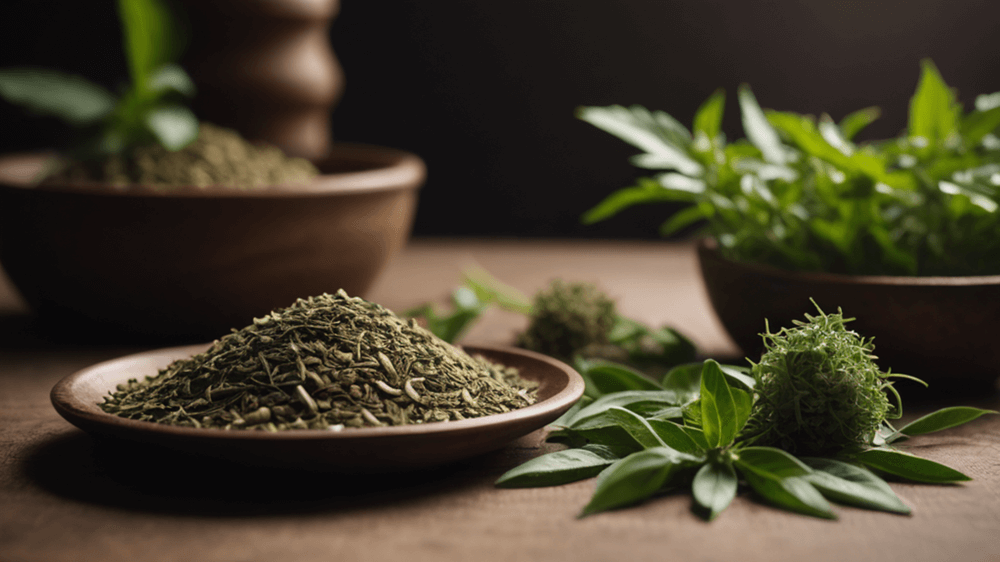
Blissful Living 4 U - Wellness, Wisdom, and Wealth - Learn to Dream Big - Agni - Ayurvedic Herbs

Ayurveda has long recognized the mind as the seat of both intelligence and consciousness, placing great emphasis on enhancing cognitive function and attaining spiritual clarity. The mind, or Manas, is intricately connected to our physical and emotional health, but to achieve true mind mastery, we must nourish it with intention, balancing the mind-body connection through diet, herbs, and spiritual practices.

If you’re already familiar with Ayurveda, you’re likely aware that certain herbs are potent tools for supporting mental sharpness, clarity, and emotional balance. These herbs, known as Medhya Rasayanas, are traditionally used to enhance cognitive function, improve memory, and foster spiritual clarity by harmonizing the mind and body.

In this advanced article, we’ll dive deeper into the use of Ayurvedic herbs for achieving mind mastery, covering specific ways to incorporate them into your daily life and the profound benefits they offer for both mental and spiritual well-being.  

Blissful Living 4 U - Wellness, Wisdom, and Wealth - Learn to Dream Big - Agni - Ayurvedic Herbs

The Power of Medhya Rasayanas for Cognitive Enhancement

Medhya Rasayanas are a class of Ayurvedic herbs specifically formulated to rejuvenate the brain and nervous system. These herbs are unique in that they enhance the mind’s capacity for focus, learning, and clarity while simultaneously calming the nervous system and supporting emotional resilience. 

Let’s explore the most powerful Ayurvedic herbs for mind mastery:

  1. Brahmi (Bacopa Monnieri)

Brahmi is one of the most revered Medhya Rasayanas, known for its ability to improve memory, concentration, and overall cognitive function. Beyond its cognitive benefits, Brahmi is also an excellent herb for soothing anxiety and emotional unrest, making it an essential herb for balancing Vata dosha. 

How to use Brahmi:

  • Incorporate Brahmi powder into a morning tonic or smoothie. For a brain-boosting drink, mix 1 teaspoon of Brahmi powder with warm almond milk, honey, and a pinch of cardamom.
  • Brahmi oil can also be massaged into the scalp at night to calm the mind and improve sleep quality, which is essential for cognitive function.
  1. Gotu Kola (Centella Asiatica)

Gotu Kola is a powerful herb for enhancing intellectual capacity and spiritual awareness. Yogis and spiritual seekers traditionally use it to promote clarity of thought, concentration, and meditative focus. It is especially beneficial for balancing Pitta dosha, as it cools the mind while boosting mental function.

How to use Gotu Kola:

  • Gotu Kola can be taken as a tea or supplement. To make a calming tea, steep 1 teaspoon of dried Gotu Kola leaves in hot water for 10 minutes. Drink this tea before meditation to enhance your focus and stillness.
  • For an added cognitive boost, combine Gotu Kola with Brahmi in a morning tonic or as part of a capsule supplement.
  1. Shankhapushpi (Convolvulus Pluricaulis)

Known as the herb of intellect, Shankhapushpi is revered for its ability to enhance memory, concentration, and clarity. It is also a fantastic herb for calming the mind, making it useful for individuals with Vata imbalances or those who experience racing thoughts.

How to use Shankhapushpi:

  • Shankhapushpi can be consumed as a tea or mixed into warm milk with honey. For students or professionals who need extra mental focus, a daily dose of Shankhapushpi can significantly enhance cognitive performance.
  • This herb is also great for children who are developing their learning skills, as it supports the development of healthy cognitive functions.
  1. Ashwagandha (Withania Somnifera)

While Ashwagandha is best known for its adaptogenic properties—helping the body manage stress—it is also a Medhya Rasayana, promoting brain health, focus, and emotional balance. Ashwagandha nourishes both the brain and nervous system, making it beneficial for those who experience mental fatigue or burnout.

How to use Ashwagandha:

  • Mix 1 teaspoon of Ashwagandha powder into warm milk or your favorite herbal tea before bed to support mental clarity and rejuvenation during sleep.
  • Ashwagandha can also be taken in capsule form for a daily dose of mental and emotional resilience, especially during stressful times.
  1. Jyotishmati (Celastrus Paniculatus)

Jyotishmati is often called the “elixir of the mind” for its powerful effects on memory, intellect, and concentration. It is a lesser-known but highly effective herb for mind mastery, particularly useful for students or anyone seeking to enhance their learning capacity.

How to use Jyotishmati:

  • Jyotishmati oil can be applied to the scalp to stimulate cognitive function and encourage deep mental focus.
  • It can also be consumed in small doses in herbal preparations or teas to enhance memory and cognitive performance.
Blissful Living 4 U - Wellness, Wisdom, and Wealth - Learn to Dream Big - Agni - Ayurvedic Herbs

Herbs for Spiritual Clarity

Achieving mind mastery in Ayurveda isn’t just about improving cognitive function; it’s also about fostering spiritual clarity. As we quiet the mind and enhance its focus, we naturally create space for deeper spiritual insights and clarity.

Here are a few herbs that aid in attaining spiritual clarity:

  1. Tulsi (Holy Basil)

Tulsi is a sacred herb in Ayurveda, known for its ability to purify the mind and uplift the spirit. It balances the heart and mind, making it an ideal herb for promoting clarity and spiritual focus.

How to use Tulsi:

  • Drink Tulsi tea in the morning or before meditation to clear mental fog and create a sense of inner peace.
  • Tulsi can also be used in spiritual rituals, where its sacred smoke is believed to purify the environment and bring clarity to one’s thoughts.
  1. Sandalwood

While sandalwood is often associated with its fragrance, it also has a profound effect on the mind. Its cooling properties calm Pitta and promote tranquility, which can aid in meditation and spiritual clarity.

How to use Sandalwood:

  • Apply sandalwood paste to the forehead before meditation to stimulate the third eye and enhance spiritual insight.
  • Burn sandalwood incense during spiritual practices to create a calm and focused atmosphere.

Incorporating Medhya Rasayanas into Your Daily Life

To truly master your mind and attain spiritual clarity, it’s important to make these herbs a part of your daily routine. Start your day with a Brahmi or Gotu Kola tea to boost cognitive function, and wind down with Ashwagandha or Shankhapushpi in the evening to calm your mind and support restful sleep. For a deeper spiritual connection, integrate Tulsi and Sandalwood into your meditation practices.

Blissful Living 4 U - Wellness, Wisdom, and Wealth - Learn to Dream Big - Agni - Ayurvedic Herbs

Master Your Mind with Ayurveda

Ready to unlock the full potential of your mind and spirit? Ayurvedic herbs offer a profound path to cognitive enhancement and spiritual clarity. To dive deeper into the transformative power of Ayurveda, pick up a copy of my book “Unstoppable: Being Fierce, Fearless and Unf*ckwithable in Life and Business” on Amazon, where I share insights on mastering the mind and unlocking your fullest potential. Elevate your cognitive function, embrace clarity, and tap into your limitless possibilities today! 

Standard
Uncategorized

Panchakarma at Home: Advanced Detoxification for Physical and Spiritual Renewal

Blissful Living 4 U - Wellness, Wisdom, and Wealth - Learn to Dream Big - Agni - Detoxification

Panchakarma is one of Ayurveda’s most revered detoxification processes, known for its ability to deeply cleanse the body, mind, and spirit. Traditionally offered as an intensive series of treatments over several weeks at Ayurvedic centers, Panchakarma is often considered a “reset” button for your entire system. However, for those familiar with Ayurveda and looking for a more accessible option, it is possible to bring elements of Panchakarma into your home routine for advanced detoxification and renewal.

The home version of Panchakarma requires mindfulness, dedication, and the right set of tools, but it can be an incredibly powerful way to purify your system, remove deep-seated toxins (Ama), and rejuvenate your energy from the inside out. 

Blissful Living 4 U - Wellness, Wisdom, and Wealth - Learn to Dream Big - Agni - Detoxification

Why Detoxification is Essential

In Ayurveda, toxins or Ama are considered the root cause of many diseases and imbalances. Ama accumulates due to poor digestion, improper diet, stress, and exposure to environmental pollutants. If left unchecked, this toxic buildup can disrupt your dosha balance, weaken your Agni (digestive fire), and diminish Ojas (your vital energy and immunity).

Panchakarma is Ayurveda’s ultimate method for cleansing these impurities and restoring your natural state of health and vitality. At home, you can adapt this process to suit your lifestyle and constitution, while still gaining the powerful benefits of deep detoxification.

The Five Stages of Panchakarma

Traditional Panchakarma includes five main detoxifying therapies (Pancha means five; Karma means action). While some of these require the guidance of a trained Ayurvedic practitioner, many elements can be incorporated into your home detox regimen.

Here are the stages and how you can adapt each one:

  1. Vamana (Therapeutic Emesis): This is a controlled vomiting technique used to expel excess Kapha and clear toxins from the chest and respiratory tract. While this is not recommended to try at home without supervision, you can focus on Kapha-reducing practices, such as drinking a ginger, honey, and lemon tea in the morning to clear congestion and promote digestion. 
  1. Virechana (Therapeutic Purgation): This involves the use of herbs and oils to cleanse the bowels and eliminate toxins from the digestive system. At home, you can use a mild laxative like Triphala to support gentle detoxification. Take Triphala powder before bed with warm water for a few days to help clear out built-up Ama from the digestive tract.
  2. Basti (Herbal Enema): Basti is a key therapy in Panchakarma, focusing on cleansing the colon and balancing Vata. At home, you can incorporate oil-based enemas with warm sesame oil to support Vata balance and colon health. This step should be done with care and guidance if you’re new to Ayurvedic enemas.
  3. Nasya (Nasal Therapy): Nasya involves the application of medicated oils through the nasal passages to clear accumulated toxins in the sinuses and head. At home, you can use a neti pot with warm saline water followed by a few drops of sesame or Brahmi oil in each nostril. This practice helps clear mental fog and promotes mental clarity.
  4. Rakta Moksha (Blood Cleansing): This therapy focuses on purifying the blood to remove toxins and improve circulation. While not suitable for home practice, you can support blood purification with herbs like neem, turmeric, and guduchi, or through a simple detox diet of fresh, organic fruits and vegetables. 
Blissful Living 4 U - Wellness, Wisdom, and Wealth - Learn to Dream Big - Agni - Detoxification

Advanced Practices for At-Home Panchakarma

Now, let’s take a look at how you can elevate your home Panchakarma detox with advanced Ayurvedic techniques.

1. Daily Abhyanga with Detoxifying Oils

Self-massage (Abhyanga) is a core element of home Panchakarma. Use warm sesame oil or an Ayurvedic detox oil infused with herbs like neem and manjistha. Massage your body daily to stimulate the lymphatic system, improve circulation, and promote the removal of toxins. After massaging, take a warm bath or steam to open your pores and further release impurities.

2. Kitchari Cleanse

Kitchari, a simple dish made from rice, mung beans, and spices, is an Ayurvedic staple during detox. A kitchari cleanse, where you consume this dish exclusively for several days, gives your digestive system a break while providing essential nutrients. It’s a powerful way to reset Agni and eliminate Ama from the body.

3. Herbal Steam Therapy

Steaming is an excellent way to eliminate toxins through the skin, one of your body’s largest detoxification organs. Create an herbal steam bath at home by boiling water with detoxifying herbs like neem, eucalyptus, and basil. Cover your head with a towel, lean over the pot, and breathe deeply for 10-15 minutes. This not only helps release toxins but also clears your respiratory system.

4. Meditation and Pranayama for Emotional Detox

Physical detox is only one part of Panchakarma. Emotional and mental detoxification is equally important. Incorporate daily meditation and pranayama practices such as Nadi Shodhana (alternate nostril breathing) to clear emotional stagnation and bring balance to the mind. Emotional detox supports deeper spiritual renewal and helps release stored emotions that may be contributing to your physical imbalances.

Blissful Living 4 U - Wellness, Wisdom, and Wealth - Learn to Dream Big - Agni - Detoxification

Creating a Sacred Space for Your Detox

Part of the power of Panchakarma lies in the creation of a sacred space for healing. As you embark on your home Panchakarma journey, make your environment conducive to detoxification and renewal. Set aside a quiet, calm space for meditation, journaling, and rest. Light candles, use essential oils, and allow your mind and body to unwind fully during the detox process. 

Begin Your Panchakarma Journey with Ayurveda

If you’re ready to take your health and healing to the next level, Panchakarma is a transformative way to cleanse deeply and renew both body and mind. For more advanced insights into detoxification and Ayurvedic practices, pick up a copy of my book “The Unstoppable Woman’s Manifesto” on Amazon, where I share deeper wisdom on balancing wellness and unlocking your fullest potential or pick up my 21 Day Blissful Cleanse program and Start your journey today and empower yourself with the tools for lasting health and vitality.

Standard
Uncategorized

Agni and Ojas: Cultivating Digestive Fire and Immune Strength for Deep Healing

Blissful Living 4 U - Wellness, Wisdom, and Wealth - Learn to Dream Big - Agni - Ojas

In Ayurveda, two critical forces determine the foundation of your health: Agni (digestive fire) and Ojas (vital energy). These forces don’t just impact your digestion or immunity; they influence your entire physical, mental, and spiritual well-being. For those with a deeper understanding of Ayurveda, learning how to cultivate and maintain strong Agni and abundant Ojas is key to unlocking profound healing and lasting vitality.

Agni is responsible for the digestion of food, emotions, and experiences. It transforms everything you take in—whether it’s physical food or mental impressions—into energy and nourishment. When Agni is strong, you experience clarity, vitality, and robust health. But when Agni is weak, toxins (known as Ama) accumulate, leading to stagnation and illness.

Ojas, on the other hand, is the essence that supports your immune system, vitality, and overall resilience. It’s the final product of perfect digestion, a refined form of energy that helps protect the body from illness and exhaustion. When Ojas is abundant, you feel vibrant, grounded, and emotionally balanced. When it’s depleted, you may experience fatigue, frequent illness, and emotional burnout.

Balancing Agni and cultivating Ojas is an advanced practice in Ayurveda that requires mindfulness, intention, and consistency. Let’s explore how you can elevate your health through these two vital forces.

Blissful Living 4 U - Wellness, Wisdom, and Wealth - Learn to Dream Big - Agni - Ojas

The Importance of Agni: Strengthening Your Digestive Fire

Your digestive fire, or Agni, is the cornerstone of your health. Without a strong Agni, your body cannot properly assimilate nutrients, and toxins (Ama) begin to build up, leading to poor digestion, low energy, and eventually, chronic health issues.

Signs of Weak Agni:

  • Indigestion, bloating, or gas
  • Lethargy after meals
  • Brain fog or mental heaviness
  • Sluggish elimination or irregular bowel movements
  • Coated tongue, especially in the morning 

If you’re experiencing any of these symptoms, it’s a sign that your Agni needs support. Here are advanced techniques to reignite your digestive fire:

  1. Agni Sara (Fire Cleansing): This is a powerful yogic technique used to stimulate and cleanse the digestive fire. It involves rhythmic contractions of the abdominal muscles to invigorate the digestive organs. Practicing Agni Sara daily, preferably in the morning on an empty stomach, helps strengthen digestion and boost metabolism.
  2. Eating in Alignment with Your Dosha: For those of you familiar with your dosha, it’s essential to eat according to your constitution. Vata types benefit from warm, grounding foods like soups and stews. Pitta types need cooling foods like cucumbers and leafy greens, while Kapha types thrive on light, spicy, and stimulating foods. Paying attention to the qualities of the food you eat and how it interacts with your dosha is an advanced way to maintain a strong digestive fire. 
  3. Spicing Your Meals for Optimal Digestion: Certain Ayurvedic spices can enhance Agni without aggravating it. Incorporate cumin, coriander, ginger, and fennel into your meals to support healthy digestion. If you’re feeling sluggish after a meal, drinking a tea made from these spices can help rekindle Agni.
  4. Sipping Warm Water Throughout the Day: One of the simplest yet most effective ways to support Agni is by sipping warm water throughout the day. This practice helps flush out toxins and supports the digestive process. Avoid drinking cold water, as it can extinguish Agni.

Cultivating Ojas: Building Your Resilience and Vital Energy

Ojas is your body’s most subtle and refined energy, produced when digestion is efficient and complete. It’s the life force that supports your immunity, emotional well-being, and endurance. While many of us focus on strengthening Agni, it’s equally important to build and protect Ojas. 

Signs of Depleted Ojas:

  • Fatigue and exhaustion
  • Frequent illnesses or infections
  • Dryness in the body (dry skin, brittle nails, etc.)
  • Anxiety or emotional instability
  • Lack of joy or zest for life 

To rebuild and sustain your Ojas, it’s important to focus on nourishment, rest, and rejuvenation. Here are advanced techniques to cultivate Ojas:

  1. Rasayana Therapy for Ojas: Rasayana herbs like Ashwagandha, Shatavari, and Guduchi are powerful rejuvenators for Ojas. You can take them as supplements or incorporate them into your diet through teas and tonics. A classic Ojas-building tonic is a warm glass of milk infused with Ashwagandha and a pinch of saffron, taken before bed. This soothing drink helps strengthen your immune system and supports restful sleep, both critical for maintaining Ojas.
  1. Abhyanga (Self-Massage) with Ojas-Building Oils: Regular self-massage with oils like sesame, almond, or ghee infused with Rasayana herbs deeply nourishes the tissues and builds Ojas. Focus on the scalp and feet during the massage, as these areas help activate the body’s rest-and-digest response, allowing Ojas to flourish. 
  2. Shirodhara for Deep Rejuvenation: Shirodhara is a deeply relaxing Ayurvedic therapy in which warm oil is gently poured over the forehead, specifically on the third eye. This practice calms the nervous system, reduces stress, and promotes the deep healing required to restore Ojas. If visiting an Ayurvedic spa is not possible, you can replicate a simplified version at home by massaging warm oil onto your forehead and meditating in a quiet space.
  3. Mindful Sleep Practices: Ojas is directly linked to rest and rejuvenation. To build Ojas, it’s essential to practice mindful sleep hygiene. Go to bed early, avoid screens before bedtime, and create a peaceful sleep environment with calming scents like lavender or sandalwood. The hours between 10 PM and 2 AM are considered ideal for Ojas restoration, as this is when your body enters its deepest state of rejuvenation. 
Blissful Living 4 U - Wellness, Wisdom, and Wealth - Learn to Dream Big - Agni - Ojas

Strengthening the Connection Between Agni and Ojas

In Ayurveda, there is a symbiotic relationship between Agni and Ojas. If your digestive fire is weak, your body cannot produce the Ojas required for strength and immunity. Likewise, if your Ojas is depleted, it can weaken Agni, leading to poor digestion. Therefore, advanced Ayurvedic healing involves balancing both forces to achieve deep healing and vitality.

To maintain this balance:

  • Eat mindfully: Always eat in a calm, relaxed environment, and avoid overeating or skipping meals. Mindful eating supports both Agni and Ojas.
  • Manage stress: Stress is a major depleter of both Agni and Ojas. Practice meditation, pranayama, and other stress-relieving activities to maintain balance.
  • Seasonal Adjustments: Just as you adjust your dosha-balancing practices according to the seasons, also adjust your Agni and Ojas practices. For instance, focus on detoxifying Agni during the spring and building Ojas during the winter for optimal balance year-round.

Elevate Your Healing with Ayurveda

Are you ready to strengthen your Agni and cultivate abundant Ojas for a life of vitality and resilience? Let’s create a customized plan just for you. Schedule an Ayurvedic Strategic Transformation (AST) Discovery Session with me, and we’ll explore how to optimize your digestive fire and build your vital energy. You can also join my Bold Unstoppable Community to connect with others who are on a journey toward deep healing, wellness, and wisdom. 

Standard
Uncategorized

Ayurveda for Emotional Healing: Advanced Techniques to Balance the Mind and Heart

Blissful Living 4 U - Wellness, Wisdom, and Wealth - Learn to Dream Big - emotional healing

Emotions are not just fleeting experiences in Ayurveda—they are deeply connected to the balance of our doshas and our overall health. For those who have been practicing Ayurveda for some time, you understand how emotions influence not only our minds but also our bodies. When our emotional state is disrupted, it affects our physical well-being, and when we are physically imbalanced, our emotional health suffers. This holistic interplay between body and mind is key to advanced emotional healing. 

The beauty of Ayurveda is that it offers time-tested techniques that allow us to align the mind and heart, helping us process emotions effectively while maintaining our inner equilibrium. Whether you’re dealing with stress, anxiety, grief, or emotional exhaustion, Ayurveda provides tools to support the deeper layers of healing, allowing you to go beyond surface-level practices.

The Emotional-Dosha Connection

Each dosha governs a set of emotions, and when those doshas become imbalanced, so too do the emotions they influence. Understanding this connection allows you to recognize how emotional disturbances manifest in your body and how to address them from an Ayurvedic perspective.

  • Vata Emotions: Vata is responsible for movement and creativity, but when out of balance, it can manifest as anxiety, fear, and restlessness. 
  • Pitta Emotions: Pitta governs transformation and clarity, but an imbalanced Pitta leads to anger, frustration, and irritability.
  • Kapha Emotions: Kapha provides grounding and stability, but when it’s out of balance, it results in sadness, attachment, and emotional stagnation.

Recognizing how your dominant dosha reacts to emotional triggers allows you to take specific actions that restore balance. Let’s explore advanced techniques for emotional healing based on your dosha type. 

Blissful Living 4 U - Wellness, Wisdom, and Wealth - Learn to Dream Big - emotional healing

 Advanced Techniques for Emotional Healing

  1. Vata Imbalance: Grounding Techniques for Anxiety and Restlessness

Vata imbalance often leads to racing thoughts, anxiety, and emotional overwhelm. Here are some advanced techniques to soothe Vata and bring emotional calm:

  • Grounding Breathwork: Pranayama plays a key role in balancing emotions. For Vata, grounding breathwork like Nadi Shodhana (alternate nostril breathing) helps calm the nervous system. Practicing this for 10 minutes each morning can help ease anxiety and bring a sense of centeredness.
  • Herbal Support: Herbs such as Ashwagandha and Brahmi are excellent for calming Vata’s emotional imbalances. A cup of Brahmi tea in the evening helps settle restless thoughts, while Ashwagandha root powder mixed with warm milk at night can promote restful sleep.
  • Abhyanga with Warming Oils: Self-massage using warming oils like sesame oil is grounding for Vata. The physical touch and warmth soothe the nervous system, helping you feel more emotionally secure. For an added emotional layer, infuse your oil with calming essential oils like lavender or sandalwood.
  1. Pitta Imbalance: Cooling Practices for Anger and Frustration

When Pitta is out of balance, it often manifests as irritability, anger, or impatience. The key here is to cool the fiery energy of Pitta with practices that soothe both the mind and body:

  • Cooling Pranayama: Sheetali and Sheetkari pranayama techniques are specifically designed to reduce excess heat in the body and mind. Practice these cooling breath exercises when you feel anger building up—they help to release emotional heat and bring mental clarity.
  • Mantra Meditation: Chanting a cooling mantra like “Om Shanti” (peace) can help pacify the emotions of an imbalanced Pitta. Meditation with mantras not only cools the mind but also redirects anger into constructive energy.
  • Herbal Cooling: Herbs like Amalaki and Shatavari are excellent for cooling down excess Pitta. Incorporate these into your diet or as teas to help keep your emotional fire in check. Amalaki can also be consumed as a tonic to relieve stress and prevent emotional flare-ups.
  1. Kapha Imbalance: Stimulating Practices for Sadness and Stagnation

Kapha imbalance often shows up as feelings of sadness, attachment, or even emotional heaviness. The key is to stimulate Kapha to release emotional stagnation:

  • Stimulating Movement: Engage in vigorous physical exercise, such as brisk walking or dancing, to shake off emotional heaviness. Kapha benefits greatly from movement that encourages the release of built-up emotional energy.
  • Stimulating Aromatherapy: Essential oils like eucalyptus, peppermint, and rosemary can stimulate the mind and lift emotional fog. Use these oils in a diffuser during meditation or in your daily routine to invigorate the senses and lighten your mood.
  • Herbal Stimulation: Herbs like ginger, turmeric, and black pepper stimulate digestion and help clear emotional stagnation. Drinking a warm ginger-turmeric tea in the morning can help boost your mood and keep Kapha emotions in check. 
Blissful Living 4 U - Wellness, Wisdom, and Wealth - Learn to Dream Big - emotional healing

Advanced Emotional Cleansing: The Practice of Antar Mouna (Inner Silence)

One of the most powerful advanced practices in Ayurveda for emotional healing is Antar Mouna, or “Inner Silence.” This meditative practice teaches you to observe your thoughts and emotions without reacting to them. Over time, this helps you release emotional attachments, clear unresolved feelings, and cultivate emotional resilience.

To practice Antar Mouna:

  1. Find a quiet space to sit in meditation.
  2. Close your eyes and begin by observing your thoughts as they arise.
  3. Notice each emotion that comes up without labeling it as “good” or “bad.” Simply observe.
  4. As thoughts and emotions arise, allow them to dissolve without attaching to them.

This practice not only brings profound emotional clarity but also strengthens your ability to handle stress and challenges with calmness and grace.

Practical Applications for Daily Emotional Balance

You don’t have to wait until you’re overwhelmed to begin emotional healing. Here are some daily applications for advanced emotional balance:

  • Create a Daily Gratitude Ritual: Spend 5 minutes each day writing down what you’re grateful for. Gratitude helps uplift the mind and heart, dissolving emotional stagnation.
  • Practice Mindful Eating: Emotional balance can be supported by the way we eat. Eat your meals mindfully, focusing on each bite and savoring the flavors. This helps prevent emotional overeating and cultivates a deeper connection between mind and body.
  • Embrace Journaling as a Rasayana for the Mind: Journaling your emotions can be a powerful tool for emotional healing. Use it to release what no longer serves you and set intentions for the emotional states you wish to cultivate.

Heal Your Heart and Mind Through Ayurveda

Are you ready to dive deeper into the emotional healing powers of Ayurveda? Let me help guide you on your journey to emotional balance and inner peace. Schedule an Ayurvedic Strategic Transformation (AST) Discovery Session with me today or join my Bold Unstoppable Community to surround yourself with others who are on a path to emotional and spiritual growth. Together, we can harness the power of Ayurveda to transform your emotional well-being.

Standard
Uncategorized

Unlocking the Power of Rasayana: Rejuvenation Techniques for Longevity and Vitality

Blissful Living 4 U - Wellness, Wisdom, and Wealth - Learn to Dream Big - Rasayana

In Ayurveda, the concept of Rasayana stands as a beacon of renewal and revitalization. The term means “path of essence” and refers to techniques and practices that replenish your body, mind, and spirit, promoting longevity, vitality, and profound well-being. For those already familiar with Ayurveda, Rasayana offers an opportunity to go beyond the basics of balance and enter the realm of deep rejuvenation—where true healing begins at the essence of our being.

Rasayana is not a one-size-fits-all approach. Instead, it’s a deeply personalized system of rejuvenation that aligns with your unique constitution and life stage. Whether you’re looking to support the health of your physical body, clear emotional blockages, or cultivate mental clarity, there is a Rasayana practice to help you reach your goals. 

The Three Pillars of Rasayana

Before diving into specific practices, let’s explore the three essential pillars of Rasayana that can transform how you think about healing:

  1. Ahara (Diet): The foods you consume are the foundation of your vitality. In Rasayana, food is viewed not only as nourishment but also as medicine. A diet rich in prana (life force) supports cellular regeneration, strengthens Agni (digestive fire), and builds Ojas (vital essence).
  2. Vihara (Lifestyle): How you live, your daily habits and the rhythms of your day influence your body’s ability to rejuvenate. Regular sleep, mindful movement, and maintaining harmony with nature’s cycles play a role in Rasayana.
  3. Aushadha (Herbs and Therapies): Rasayana herbs are nature’s potent allies for longevity and vitality. When combined with specific Ayurvedic treatments, they enhance the body’s natural ability to repair and regenerate.
Blissful Living 4 U - Wellness, Wisdom, and Wealth - Learn to Dream Big - Rasayana

Advanced Rasayana Techniques

For those already familiar with foundational Ayurvedic practices, it’s time to unlock the deeper layers of Rasayana. Here are some advanced rejuvenation techniques to integrate into your daily routine for a profound transformation:

  1. Herbal Rasayana for Longevity: Ayurvedic herbs like ashwagandha, shatavari, amalaki, and guduchi are considered the top rejuvenators. But beyond taking them as supplements, it’s important to understand how and when to take them for maximum benefit. For example, mixing a tablespoon of Chyawanprash (a powerful Rasayana jam) with warm water in the morning not only boosts immunity but also strengthens Ojas and revitalizes your energy throughout the day.
  2. Abhyanga with Rejuvenating Oils: While Abhyanga (self-massage) is a beloved Ayurvedic practice, using specific oils tailored for Rasayana therapy takes it to the next level. Infusing your massage oil with rejuvenating herbs like Brahmi or Ashwagandha strengthens the nervous system and calms the mind, allowing deep rest and regeneration. Massaging this herbal oil into the scalp and soles of your feet before bed encourages restorative sleep and replenishes your vital essence.
  3. Brahma Muhurta Meditation: One of the most advanced Rasayana practices is rising during Brahma Muhurta—the pre-dawn time considered optimal for meditation and spiritual rejuvenation. This practice, while challenging for many, can have life-altering effects. During this time, prana is at its peak, and your mind is free from distractions, making it the perfect opportunity to meditate on your deeper intentions for life and vitality. 

Seasonal Rasayana Adaptation

Just as we adjust our dosha-balancing practices based on the seasons, Rasayana rejuvenation should also be tailored to the time of year for maximum benefit.

  1. Spring Rasayana: In Kapha season, focus on detoxifying Rasayanas to clear heaviness and stagnation. Triphala, for instance, acts as a gentle daily cleanser that purifies the body without stripping it of nutrients. A spring cleanse combined with Triphala and light fasting can be incredibly effective in clearing toxins.
  2. Summer Rasayana: During Pitta season, cooling Rasayanas like Amalaki and Shatavari are key to soothing the fire of Pitta. Try incorporating a cooling amalaki tonic by blending amalaki powder with aloe vera juice and drinking it in the morning for a refreshing, rejuvenating start to the day.
  3. Winter Rasayana: Vata season calls for deeply nourishing Rasayanas like Ashwagandha and Chyawanprash. Consuming a teaspoon of Chyawanprash with warm milk before bed can help build Ojas and restore the nervous system after a long, cold day. 
Blissful Living 4 U - Wellness, Wisdom, and Wealth - Learn to Dream Big - Rasayana

The Mental and Emotional Aspects of Rasayana

While Rasayana practices are deeply rooted in the physical body, they also extend to the mind and emotions. Emotional Rasayana focuses on nurturing joy, gratitude, and love as essential elements of rejuvenation. Cultivating positive emotional states is vital for preventing burnout, stress, and emotional depletion.

  1. Mantra Rasayana: Mantras can be used to reinforce emotional rejuvenation. Choose a mantra that resonates with your current state of mind and repeat it during meditation or throughout the day. For instance, chanting “Om Shanti” (peace) can restore balance to an overactive mind, while “Om Aim Saraswatyai Namah” can invite wisdom and clarity.
  2. Visualization and Journaling: Journaling your emotions and visualizing your ideal state of vitality can also act as Rasayana practices. Write down what you want to release emotionally, and set intentions for how you wish to feel in your life. By visualizing these desired outcomes daily, you create a mental state that fosters rejuvenation. 

Begin Your Rasayana Journey

Are you ready to unlock the full potential of Rasayana in your life? Whether it’s through herbal rejuvenation, meditation, or emotional healing, Rasayana offers a path to true vitality and longevity. Schedule an Ayurvedic Strategic Transformation (AST) Discovery Session with me to explore how these powerful techniques can be customized for your unique constitution. Or join my Bold Unstoppable Community and become part of a collective of like-minded individuals on a journey to lifelong health, wisdom, and vitality. 

Standard
Uncategorized

Mastering Your Dosha: Seasonal Shifts and Ayurvedic Customization for Optimal Balance

Blissful Living 4 U - Wellness, Wisdom, and Wealth - Learn to Dream Big - Dosha

Ayurveda teaches us that balance is not a static state but a dynamic process influenced by both internal and external factors. As seasons change, so too do the energies around and within us, making it essential to align our doshas with these shifts. For those of you already familiar with Ayurveda, the concept of dosha customization during seasonal transitions is a powerful way to stay in harmony with nature and ensure long-lasting wellness.

Each season has its own dominant energy—whether it’s the heat of summer (Pitta), the cold of winter (Vata), or the wet, sluggish quality of spring (Kapha). By deeply tuning into these energies and recognizing how they interact with your constitution, you can create an Ayurvedic routine that keeps you feeling your best year-round.

Understanding Seasonal Dosha Imbalances

Let’s take a closer look at how each season affects your doshas and what you can do to stay balanced:

  1. Winter (Vata Season): Winter is cold, dry, and windy—perfect conditions for Vata dosha to go out of balance. Even if Vata isn’t your dominant dosha, the season’s qualities can increase its influence in your system, leading to dry skin, anxiety, constipation, and insomnia. How to customize for balance: During Vata season, focus on grounding and warming practices. Incorporate warming spices like ginger, cinnamon, and cardamom into your meals. Opt for nourishing, cooked foods like soups and stews. Self-massage with warm sesame oil before bed to calm the nervous system.
  2. Spring (Kapha Season): Spring is heavy, wet, and cool, with Kapha dosha at the forefront. This can lead to feelings of sluggishness, weight gain, congestion, and even emotional stagnation. How to customize for balance: During Kapha season, focus on energizing and stimulating practices. Light, spicy foods like chilies, mustard seeds, and bitter greens can help stimulate your digestive fire. Make sure to get regular exercise and engage in invigorating activities, like brisk walking or dancing, to keep stagnation at bay.
  3. Summer (Pitta Season): Summer is hot, sharp, and intense, driven by the fiery energy of Pitta dosha. An excess of Pitta can manifest as irritability, heartburn, inflammation, and skin issues. How to customize for balance: Focus on cooling and soothing practices during Pitta season. Hydrate yourself with cooling drinks like coconut water and incorporate cooling herbs like mint, coriander, and fennel into your meals. Meditation and restorative yoga will help calm any excess Pitta fire.
Blissful Living 4 U - Wellness, Wisdom, and Wealth - Learn to Dream Big - Dosha

Advanced Ayurvedic Techniques for Seasonal Dosha Mastery

For those with a deeper understanding of Ayurveda, there are several advanced practices you can adopt to ensure your dosha stays balanced throughout the year:

  1. Abhyanga with Seasonal Oils: Self-massage (Abhyanga) is one of Ayurveda’s cornerstone rituals. But did you know that changing your oil with the seasons enhances its effects? Use sesame oil in the winter for its warming properties, switch to lighter oils like sunflower or olive oil in spring to reduce Kapha and opt for cooling coconut oil during the summer.
  2. Seasonal Rasayana (Rejuvenation): Each season calls for different Rasayana practices to renew and rejuvenate the body. In the spring, focus on detoxifying herbs like Triphala and turmeric to clear out Kapha. During summer, cooling Rasayanas like Amalaki or Ashwagandha can replenish your energy. In winter, rejuvenating tonics like Shatavari or Chyawanprash will help rebuild Ojas, your vital energy.
  3. Customized Pranayama: Breathing techniques (Pranayama) are a powerful way to regulate the doshas. During Vata season, opt for calming techniques like Nadi Shodhana (alternate nostril breathing) to steady the mind. In Kapha season, practice Kapalabhati (breath of fire) to boost energy and clear stagnation. For summer, cooling techniques like Sheetali or Sheetkari will keep excess heat in check. 

Practical Application of Dosha Customization in Your Daily Routine

Now, let’s get practical. How can you apply these concepts to your daily life?

  • Morning Rituals: Start your day with warm lemon water during Kapha season to stimulate digestion or cooling mint tea during Pitta season to calm the body. In Vata season, you might enjoy a rich, spiced chai for warmth and grounding.
  • Meals: Create meals that shift with the seasons. Opt for hearty, grounding foods in winter, like root vegetables, or refreshing salads with cooling cucumber and cilantro in summer.
  • Movement: Tailor your physical activity to the seasons. In Vata season, focus on slow, mindful movement like yoga or Tai Chi. In Kapha season, get your heart pumping with aerobic exercise. Summer is the perfect time for cooling and restorative practices like gentle swimming or moonlight walks. 

Embrace Seasonal Balance

Mastering your dosha through the lens of the seasons is an advanced yet accessible way to stay aligned with nature’s rhythms. Ready to dive deeper into customizing your Ayurvedic practice for optimal balance? Schedule an Ayurvedic Strategic Transformation (AST) Discovery Session with me today, and let’s unlock your full potential for year-round harmony. Or join my Bold Unstoppable Community, where we explore these transformational practices together, supporting one another on the journey to wellness, wisdom, and wealth.

Standard
Uncategorized

Embracing Ayurveda For Holistic Wealth And Health

Blissful Living 4 U - Wellness, Wisdom, and Wealth - Learn to Dream Big - Doshas

In today’s fast-paced world, the pursuit of wealth often comes at the expense of health and well-being. However, Ayurveda offers a holistic approach that emphasizes the interconnectedness of mind, body, and spirit, paving the way for both financial prosperity and physical vitality. Let’s explore how embracing Ayurveda can lead to holistic wealth and health, enriching every aspect of your life.

Understanding Holistic Wealth and Health

Holistic wealth goes beyond financial abundance and encompasses all aspects of life, including physical health, mental well-being, emotional balance, and spiritual fulfillment. Similarly, holistic health involves more than just the absence of disease; it encompasses optimal functioning of the body, mind, and spirit. Ayurveda recognizes the intrinsic connection between wealth and health, emphasizing the importance of balance and harmony in all areas of life.

Blissful Living 4 U - Wellness, Wisdom, and Wealth - Learn to Dream Big - Doshas

The Role of Ayurveda in Wealth Creation

Ayurveda offers valuable insights and practices that can contribute to financial prosperity:

  • Mind-Body Connection: Ayurveda teaches that the state of our mind directly influences our physical health and financial well-being. By cultivating a positive mindset and aligning our thoughts and actions with our goals, we can attract abundance into our lives.
  • Dinacharya (Daily Routine): A consistent daily routine, or dinacharya, is a cornerstone of Ayurvedic living. By incorporating practices such as meditation, yoga, and self-care into our daily routine, we can enhance productivity, creativity, and overall success in our endeavors.
  • Nourishing the Body: Ayurveda emphasizes the importance of nourishing the body with wholesome foods, proper hydration, and adequate rest. A healthy body forms the foundation for pursuing wealth and achieving financial goals with vigor and vitality.

Ayurvedic Practices for Physical Well-Being

Physical well-being is essential for holistic health and wealth creation. Ayurveda offers a wealth of practices to support optimal physical health:

  • Balanced Diet: Ayurveda emphasizes the importance of eating a balanced diet that is tailored to individual constitution (dosha). By nourishing the body with fresh, seasonal foods that support our unique needs, we can promote vitality and longevity.
  • Herbal Remedies: Ayurvedic herbs and remedies are renowned for their healing properties and ability to restore balance to the body. From immunity-boosting herbs like ashwagandha and tulsi to digestive aids like ginger and turmeric, incorporating Ayurvedic herbs into our daily regimen can enhance overall well-being.
  • Yoga and Exercise: Regular physical activity is crucial for maintaining optimal health. Yoga, with its emphasis on mindful movement and breath awareness, is particularly beneficial for strengthening the body, reducing stress, and promoting flexibility and agility. 
Blissful Living 4 U - Wellness, Wisdom, and Wealth - Learn to Dream Big - Doshas

Cultivating Mental and Emotional Well-Being

True wealth encompasses mental and emotional well-being, which are essential for leading a fulfilling and prosperous life. Ayurveda offers various practices to cultivate mental and emotional resilience:

  • Meditation and Mindfulness: Meditation is a powerful tool for calming the mind, reducing stress, and fostering inner peace. By practicing meditation regularly, we can cultivate a sense of clarity, focus, and emotional stability, which are essential for making wise financial decisions and achieving success.
  • Stress Management: Ayurveda provides effective strategies for managing stress and anxiety, such as pranayama (breathwork), aromatherapy, and relaxation techniques. By learning to manage stress effectively, we can prevent burnout, maintain mental clarity, and stay focused on our goals.
  • Emotional Healing: Ayurveda recognizes the importance of emotional well-being in overall health and wealth creation. Through practices such as self-reflection, journaling, and counseling, we can address underlying emotional issues, heal past traumas, and cultivate resilience and self-confidence. 

Embracing Spirituality for Fulfillment and Abundance

Spiritual fulfillment is a cornerstone of holistic wealth and health. Ayurveda offers spiritual practices to nourish the soul and cultivate a deep sense of connection and purpose: 

  • Daily Sadhana (Spiritual Practice): Engaging in daily sadhana, or spiritual practice, is essential for nurturing our spiritual growth and deepening our connection to the divine. Whether through prayer, chanting, or meditation, incorporating spiritual practices into our daily routine can bring a sense of peace, joy, and fulfillment.
  • Seva (Service): Giving back to others is a powerful way to cultivate abundance and prosperity in our lives. By practicing seva, or selfless service, we not only make a positive impact on the lives of others but also align ourselves with the flow of abundance in the universe.
  • Gratitude Practice: Cultivating an attitude of gratitude is key to experiencing true wealth and abundance. By acknowledging and appreciating the blessings in our lives, we open ourselves up to receiving even more abundance and blessings.
Blissful Living 4 U - Wellness, Wisdom, and Wealth - Learn to Dream Big - Doshas

The Path to Holistic Wealth and Health with Ayurveda 

Embracing Ayurveda for holistic wealth and health is not just about adopting a set of practices; it’s about cultivating a way of life that honors the interconnectedness of all aspects of our being. By integrating Ayurvedic principles into our daily lives and aligning our actions with our deepest values and aspirations, we can experience true wealth and well-being on every level.

Begin your journey to holistic wealth and health today.

Embrace the wisdom of Ayurveda and start incorporating its principles into your daily life. Whether through mindful eating, daily self-care practices, or spiritual sadhana, take proactive steps to nurture your physical, mental, emotional, and spiritual well-being. Contact Rochel Marie Lawson for personalized guidance on integrating Ayurveda into your life and experiencing holistic wealth and health.

Conclusion: Embrace Ayurveda for Holistic Wealth and Health

As you embark on your journey to holistic wealth and health, remember that true prosperity encompasses more than just material wealth; it includes physical vitality, mental clarity, emotional resilience, and spiritual fulfillment. By embracing the timeless wisdom of Ayurveda and aligning yourself with its principles, you can create a life of abundance, vitality, and purpose. Embrace Ayurveda for holistic wealth and health, and unlock the limitless potential within you to thrive and prosper on every level.

Standard
Uncategorized

Balancing Your Doshas: Ayurvedic Wisdom For Harmonious Living In Every Season

Blissful Living 4 U - Wellness, Wisdom, and Wealth - Learn to Dream Big - Doshas

In the ancient science of Ayurveda, the balance of the doshas is considered essential for optimal health and well-being. As the seasons change, so do the qualities of the environment, which can affect our doshic balance. By understanding how each season influences our doshas, we can make lifestyle and dietary choices that promote harmony and balance. Let’s explore how Ayurveda guides us to balance our doshas in different seasons for harmonious living throughout the year.

Understanding the Doshas and Seasons

According to Ayurveda, each season is associated with a dosha and certain qualities that influence our mind and body. The three doshas—Vata, Pitta, and Kapha—correspond to the elements of air, fire, and water respectively. Here’s how each dosha is influenced by the seasons:

  • Vata Season (Fall and Early Winter): Fall and early winter are characterized by dry, cold, and windy weather, which can increase Vata dosha in the body. To balance Vata, focus on grounding and nourishing practices.
  • Pitta Season (Summer): Summer is characterized by hot, intense, and fiery weather, which can increase Pitta dosha. To balance Pitta, focus on cooling and calming practices.
  • Kapha Season (Late Winter and Spring): Late winter and spring are characterized by wet, cold, and heavy weather, which can increase Kapha dosha. To balance Kapha, focus on stimulating and invigorating practices.
Blissful Living 4 U - Wellness, Wisdom, and Wealth - Learn to Dream Big - Doshas

Balancing Vata Dosha in Fall and Early Winter

During Vata season, it’s important to stay grounded and nourished. Here are some tips to balance Vata dosha:

  • Warm, Nourishing Foods: Favor warm, cooked foods that are grounding and nourishing, such as soups, stews, and root vegetables.
  • Routine: Establish a daily routine that includes regular meals, bedtime, and self-care practices to create stability and routine.
  • Self-Massage (Abhyanga): Daily self-massage with warm oil helps nourish the skin, calm the mind, and reduce Vata.

Balancing Pitta Dosha in Summer

Summer is the season of Pitta, characterized by heat and intensity. To balance Pitta dosha, consider the following:

  • Cooling Foods: Favor foods that are cooling and hydrating, such as cucumbers, melons, and mint.
  • Stay Hydrated: Drink plenty of water and avoid excess heat and sun exposure.
  • Pitta-Pacifying Herbs: Consider incorporating Pitta-pacifying herbs such as coriander, fennel, and aloe vera into your diet.

Balancing Kapha Dosha in Late Winter and Spring

Late winter and spring are Kapha season, characterized by wet, cold, and heavy weather. To balance Kapha dosha, consider the following:

  • Warm, Light Foods: Favor warm, light foods that are easy to digest, such as soups, stews, and steamed vegetables.
  • Regular Exercise: Engage in regular exercise to stimulate circulation and metabolism, such as brisk walking, yoga, or dancing.
  • Detoxification: Consider incorporating detoxification practices such as fasting or cleansing to reduce Kapha accumulation.
Blissful Living 4 U - Wellness, Wisdom, and Wealth - Learn to Dream Big - Doshas

Embrace the Wisdom of Ayurveda for Harmonious Living

As you navigate through the seasons, remember to listen to your body and honor its needs. By incorporating Ayurvedic principles into your life, you can create a harmonious balance of the doshas and experience optimal health and well-being throughout the year.

Embrace the wisdom of Ayurveda and create a harmonious balance of the doshas in every season. Incorporate Ayurvedic practices into your daily routine and witness the transformative power they have on your health and well-being. Contact Rochel Marie Lawson for personalized guidance on balancing your doshas and living in harmony with the seasons.

Conclusion: Live in Harmony with the Seasons

As you strive for harmonious living, remember that balance is the key. By aligning yourself with the qualities of each season and making conscious choices to balance your doshas, you can experience a profound sense of well-being and harmony throughout the year. Embrace the wisdom of Ayurveda and live in harmony with the seasons, honoring the natural rhythms of life.

Standard
Uncategorized

Ayurveda For Wealth Creation And Harmony: Balancing Prosperity And Well-Being

Blissful Living 4 U - Wellness, Wisdom, and Wealth - Learn to Dream Big

In the ancient wisdom of Ayurveda, true wealth is not just material abundance but also encompasses health, harmony, and spiritual well-being. By aligning with the principles of Ayurveda, you can cultivate a life of prosperity and balance, where wealth flows effortlessly and harmoniously. Let’s explore how Ayurveda can guide you on the path to creating wealth and harmony in your life.

Understanding Wealth in Ayurveda

In Ayurveda, wealth is viewed holistically, encompassing physical, emotional, and spiritual abundance. True wealth is not just about financial prosperity but also about having vibrant health, fulfilling relationships, and a deep sense of purpose. When all aspects of life are in harmony, true wealth is experienced. 

Blissful Living 4 U - Wellness, Wisdom, and Wealth - Learn to Dream Big

Balancing the Doshas for Prosperity

According to Ayurveda, imbalances in the doshas can lead to various physical, mental, and emotional issues that can hinder prosperity. By balancing your doshas through Ayurvedic practices, you can create a foundation for prosperity to flourish. Here are some key practices for balancing each dosha:

  • Vata: To balance Vata dosha, focus on grounding practices such as meditation, yoga, and warm, nourishing foods.
  • Pitta: To balance Pitta dosha, incorporate cooling practices such as swimming, meditation, and a Pitta-pacifying diet.
  • Kapha: To balance Kapha dosha, engage in invigorating practices such as brisk walking, yoga, and a Kapha-balancing diet.

Ayurvedic Practices for Wealth Creation

Ayurveda offers several practices that can help create a harmonious environment for wealth to manifest:

  • Abundance Meditation: Visualize yourself surrounded by abundance and prosperity. Focus on feeling grateful for the wealth you already have and invite more into your life.
  • Ayurvedic Diet: Eat a balanced diet according to your dosha to maintain optimal health and vitality, which are essential for attracting wealth.
  • Daily Routine: Follow a daily routine that includes self-care practices such as oil massage (Abhyanga), meditation, and yoga to maintain balance and clarity of mind.

The Role of Mindset in Wealth Creation

Ayurveda emphasizes the importance of mindset in creating wealth. A positive and abundance-focused mindset can attract prosperity into your life. By cultivating a mindset of gratitude, generosity, and positivity, you can align yourself with the flow of abundance in the universe.  

Blissful Living 4 U - Wellness, Wisdom, and Wealth - Learn to Dream Big

Cultivate Wealth and Harmony with Ayurveda

Incorporating Ayurvedic principles into your life can help you create a harmonious balance between wealth and well-being. By nurturing your body, mind, and spirit with Ayurvedic practices, you can attract prosperity and abundance into your life effortlessly.

Call to Action: Begin your journey to wealth and harmony today. Incorporate Ayurvedic practices into your daily routine and witness the transformative power they have on your life. Embrace the principles of Ayurveda and create a life of prosperity, abundance, and harmony.

Conclusion: Embrace the Wisdom of Ayurveda for Prosperity and Well-Being

As you embark on your journey to wealth and harmony, remember that true prosperity encompasses more than just material wealth. By aligning yourself with the principles of Ayurveda, you can create a life of abundance, health, and happiness. Cultivate a mindset of abundance, balance your doshas, and embrace Ayurvedic practices to attract wealth and harmony into your life effortlessly.

Check out Mystic Mag’s interview with Rochel Marie Lawson on empowering women through holistic wellness: Empowering Women Through Holistic Wellness: An Interview with Rochel Marie Lawson.

Standard